
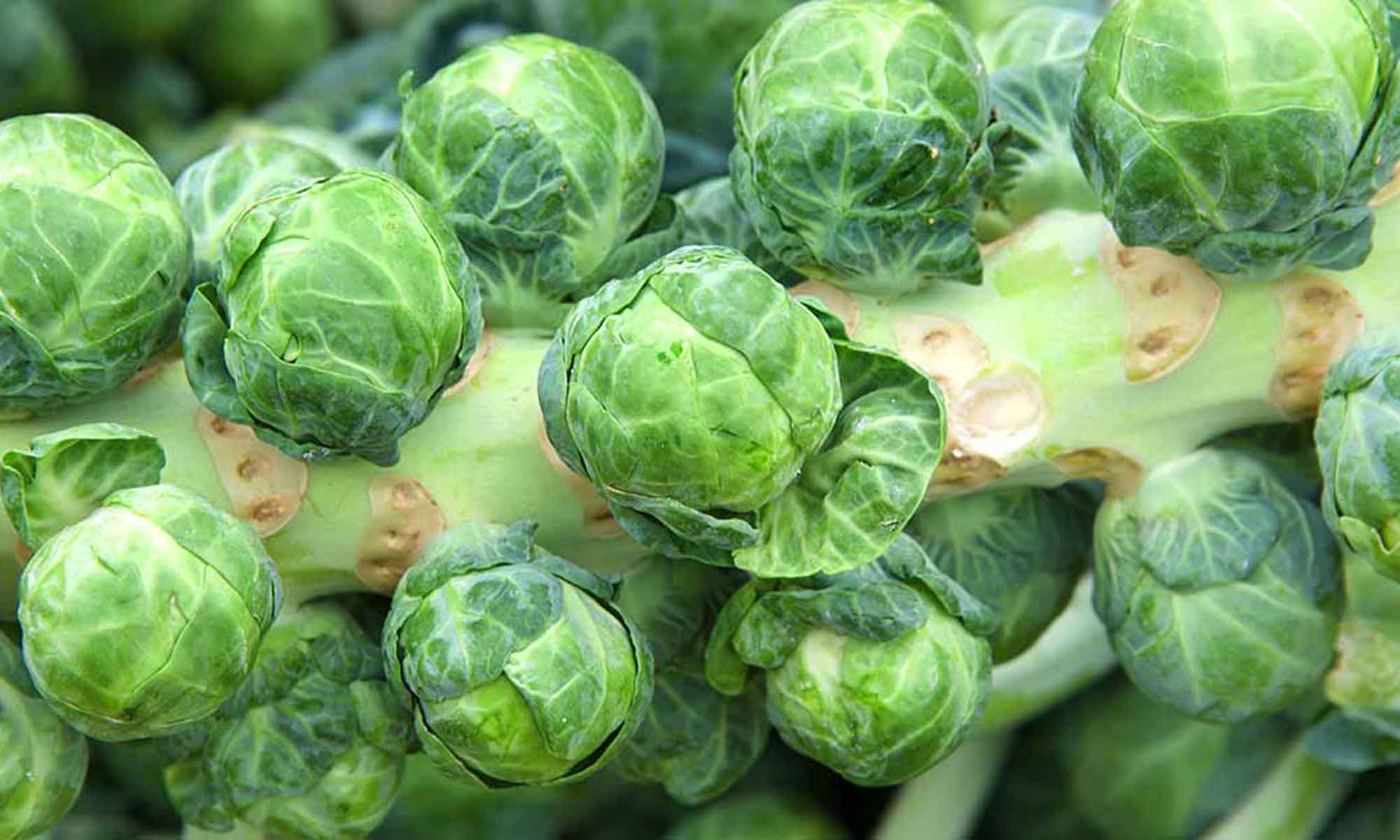
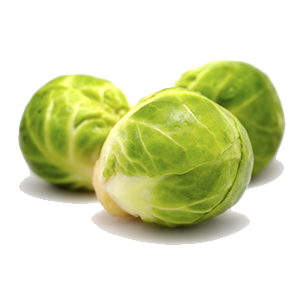
The Brussels sprout is a member of the Gemmifera cultivar group of cabbages (Brassica oleracea), grown for its edible buds. The leaf vegetables are typically 1.5–4.0 cm (0.6–1.6 in) in diameter and resemble miniature cabbages. The Brussels sprout has long been popular in Brussels, Belgium, from which it gained its name.
Although native to the Mediterranean region with other cabbage species, Brussels sprouts first appeared in northern Europe during the 5th century, later being cultivated in the 13th century near Brussels, Belgium, from which they derived their name. Its group name Gemmifera (or lowercase and italicized gemmifera as a variety name) means gemmiferous (bud-producing).
Forerunners to modern Brussels sprouts were probably cultivated in Ancient Rome.[citation needed] Brussels sprouts as they are now known were grown possibly as early as the 13th century in what is now Belgium. The first written reference dates to 1587. During the 16th century, they enjoyed a popularity in the southern Netherlands that eventually spread throughout the cooler parts of Northern Europe.
Brussels sprouts grow in temperature ranges of 7–24 °C (45–75 °F), with highest yields at 15–18 °C (59–64 °F). Fields are ready for harvest 90 to 180 days after planting. The edible sprouts grow like buds in helical patterns along the side of long, thick stalks of about 60 to 120 cm (24 to 47 in) in height, maturing over several weeks from the lower to the upper part of the stalk. Sprouts may be picked by hand into baskets, in which case several harvests are made of five to 15 sprouts at a time, or by cutting the entire stalk at once for processing, or by mechanical harvester, depending on variety. Each stalk can produce 1.1 to 1.4 kg (2.4 to 3.1 lb), although the commercial yield is about 900 g (2 lb) per stalk. Harvest season in temperate zones of the northern latitudes is September to March, making Brussels sprouts a traditional winter-stock vegetable. In the home garden, harvest can be delayed because quality does not suffer from freezing. Sprouts are considered to be sweetest after a frost.
Brussels sprouts are a cultivar group of the same species as broccoli, cabbage, collard greens, kale, and kohlrabi; they are cruciferous (they belong to the family Brassicaceae; old name Cruciferae). Many cultivars are available; some are purple in color, such as ‘Ruby Crunch’ or ‘Red Bull’. The purple varieties are hybrids between purple cabbage and regular green Brussels sprouts developed by a Dutch botanist in the 1940s, yielding a variety with some of the red cabbage’s purple colors and greater sweetness. In the 1990s, Dutch scientist Hans van Doorn identified the chemicals that make Brussels sprouts bitter. This enabled Dutch seed companies to cross-breed archived low-bitterness varieties with modern high-yield varieties, over time producing a significant increase in the popularity of the vegetable.
Leave a Reply