

About Veg2Table
The A-Z of vegetables · Asparagus · Avocado · Bean · Beetroot · Bok choy, pak choy or Chinese chard · Broccoli … you name it we feature it.
How do you classify a fruit versus a vegetable? There are two forms of classifications: botanical and culinary. But here’s a crazy twist: A single plant product can be a fruit in one category and a veggie in the other!
To be classified as a botanical fruit, the item in question must contain a seed and develop from the flower of a plant. That’s why plums, apples, and grapes are all fruits. However, any other edible part of a plant—like the leaves, stems, and roots—are vegetables. Think spinach (leaves), celery (stems), and carrots (roots).
When it comes to classifying fruits and vegetables in cooking, it’s all about taste. Fruits are considered to have a sweet or tart flavour, and they make great sauces or desserts. Vegetables have a savoury taste and appear either in side dishes or as the star of a main course.
Of course, there are exceptions. For example, bell peppers are technically fruits (because they contain seeds and grow from flowers), and some might taste pretty sweet when eaten raw. But in terms of cuisine, they’re considered vegetables, whether stuffed with rice and beef or as the perfect crunchy addition to a salad or stir-fry.
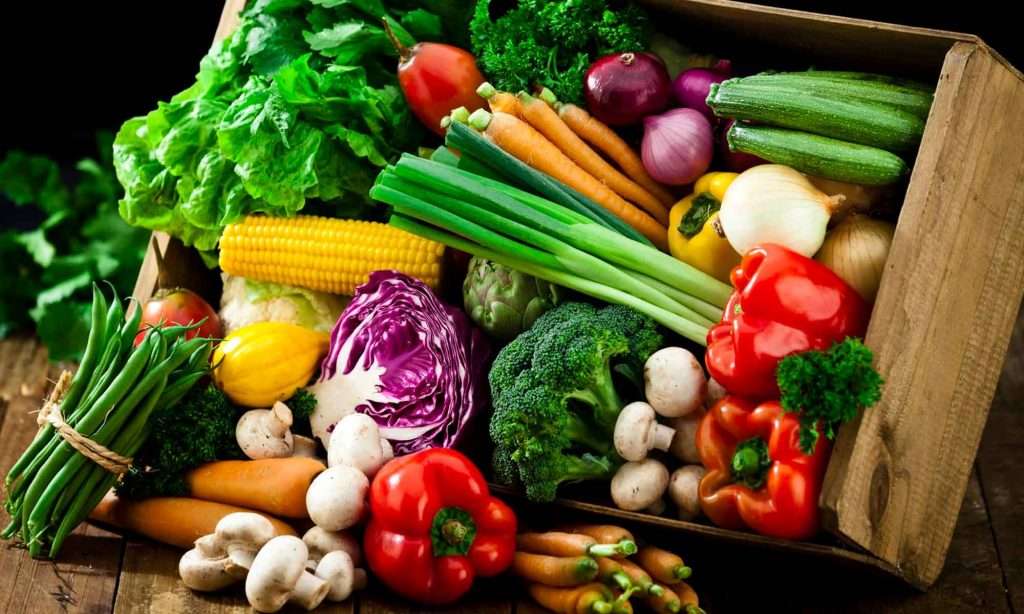
Originally, vegetables were collected from the wild by hunter-gatherers and entered cultivation in several parts of the world, probably during the period 10,000 BC to 7,000 BC, when a new agricultural way of life developed. At first, plants which grew locally would have been cultivated, but as time went on, trade brought exotic crops from elsewhere to add to domestic types. Nowadays, most vegetables are grown all over the world as climate permits, and crops may be cultivated in protected environments in less suitable locations. China is the largest producer of vegetables, and global trade in agricultural products allows consumers to purchase vegetables grown in faraway countries. The scale of production varies from subsistence farmers supplying the needs of their family for food, to agribusinesses with vast acreages of single-product crops. Depending on the type of vegetable concerned, harvesting the crop is followed by grading, storing, processing, and marketing.
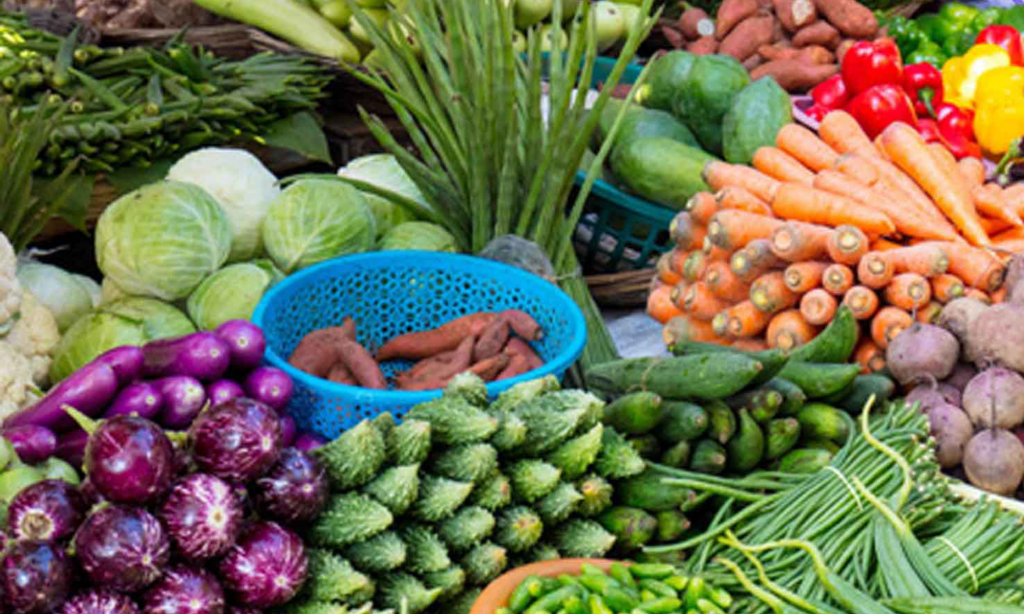
Vegetables can be eaten either raw or cooked and play an important role in human nutrition, being mostly low in fat and carbohydrates, but high in vitamins, minerals and dietary fiber. Many nutritionists encourage people to consume plenty of fruit and vegetables, five or more portions a day often being recommended.
Brought to you by:
Beet Root & Aru Gula with help from Bok Choy, Broc Coli, Choi Sum,Cab Bage, Car Rot, Let Tuce, Pak Choi, Ok Ra, Pump Kin, Rhu Barb, Water Cres and the rest of the veg2table development team.